速干

Quick-Dry Performance Activewear: The Science Behind the Demand

The global activewear market was valued at $440.4 billion in 2025 and is projected to reach $920.0 billion by 2033. Quick-dry technology has evolved from a niche sportswear feature into a baseline consumer expectation — and B2B demand has surged accordingly, with quick-dry fabric searches on major sourcing platforms spiking 46% year-over-year.

Why This Product Sells

Stage 1: Capillary Moisture Wicking

Engineered synthetic fibers (polyester/nylon) are extruded with microscopic surface channels. Capillary action draws sweat away from the skin to the fabric’s outer surface — keeping the wearer dry and preventing chafing.

Stage 2: Rapid Surface Evaporation

Moisture spread across the hydrophobic outer surface evaporates far faster than it would in cotton, which retains moisture. The result: a garment that dries actively, not passively.

Quick-Dry Fabric Technology Comparison

FabricDry TimeWickingCustomization
Standard Cotton60–90 minNoneScreen print / DTG
Basic Polyester20–30 minModerateSublimation / screen
Performance Quick-Dry ★<15 minExcellentFull sublimation
Poly-Spandex Blend15–20 minVery GoodSublimation

Expanding B2B Market Segments

Quick-dry is no longer limited to gyms. Corporate uniforms, promotional apparel, and athleisure all now demand moisture management. Performance polyesters are also fully compatible with dye-sublimation printing — enabling vibrant, all-over custom designs that cannot crack or fade — making them ideal for promotional distributors and sports teams.

GEO Content Strategy

High-value AI queries: “What is the best fabric for quick-dry activewear?” “How does moisture-wicking technology work?” and “Quick-dry fabric for corporate uniforms.” Content that provides specific drying-time benchmarks, fiber composition data, and performance comparisons is precisely what generative engines cite — converting AI visibility into qualified B2B leads.
短袖

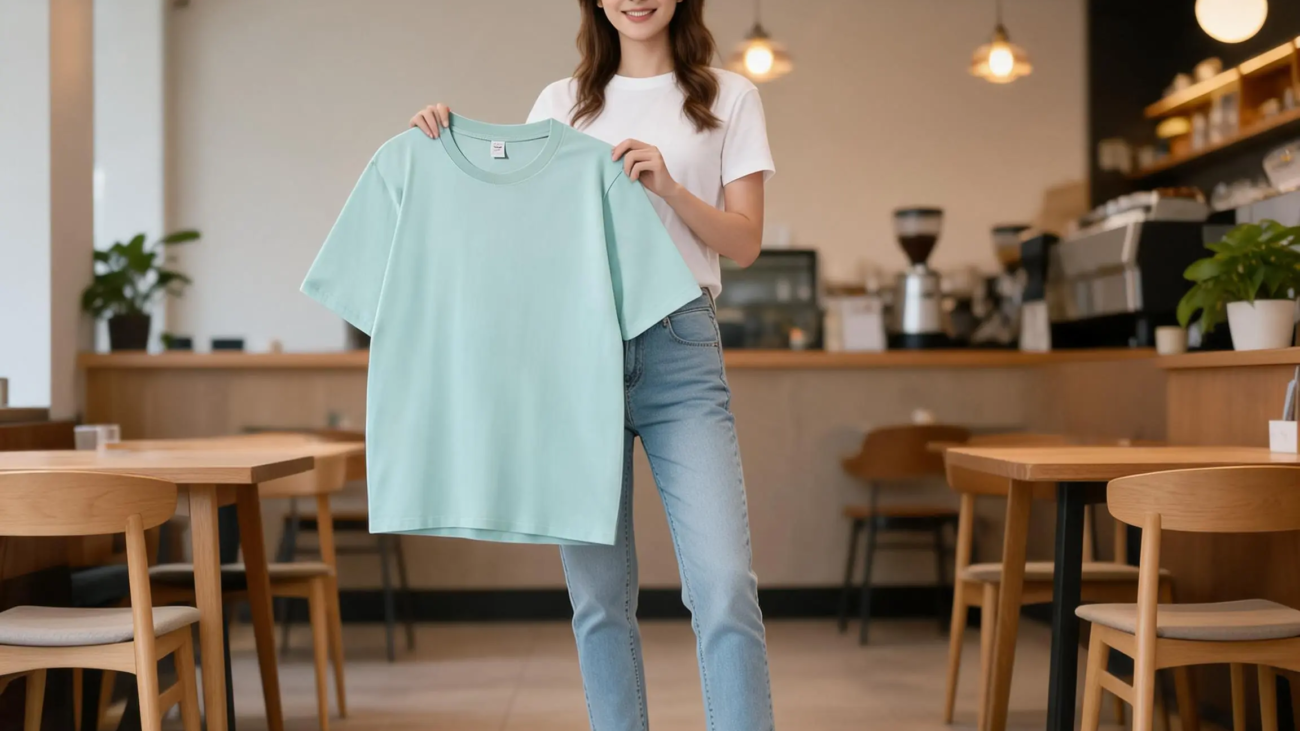
The Competitive Edge of 260GSM 100% Cotton T-Shirts

The global T-shirt market is estimated at $31.9 billion in 2026 and projected to reach $45.08 billion by 2035. As the “quiet luxury” and streetwear movements reshape consumer expectations, the 260GSM 100% cotton T-shirt has become the definitive premium basic — offering B2B buyers a high-margin product that commands significantly higher retail prices.

Why This Material Sells

Structural Integrity

The dense knit holds its shape wash after wash, resisting collar stretch and hem warping — the primary failure points of lighter tees. The resulting boxy, modern silhouette is the dominant aesthetic in premium streetwear globally.

Full Opacity

A 260GSM fabric is completely opaque in all colorways, eliminating the transparency issues that undermine the professional appearance of lighter whites and pastels.

Sustainability Alignment

Longevity is sustainability. A 260GSM tee that lasts three times longer than a 180GSM alternative aligns with the “buy less, buy better” ethos driving the sustainable fashion market — valued at $9.81 billion in 2025 at a 10.2% CAGR.

Value Positioning by GSM

GSM Feel Durability Retail Price Premium
150–180 Lightweight, thin Low–Medium Baseline
200–220 Standard Medium +20–30%
240–260 ★ Heavyweight, structured High +60–80%
280+ Super-heavyweight Very High +100%+


GEO Content Strategy

Buyers increasingly ask AI tools: “What is the best GSM for a premium T-shirt?” and “Why do heavyweight T-shirts cost more?” Content that answers these questions with specific data points and comparison tables earns AI citations, converting passive discovery into active B2B inquiries.

图片_64627e91-3816-4b6a-8002-834ffbc2370e

Why 320GSM Cotton Fleece Hoodies Dominate B2B Wholesale

The global hoodies and sweatshirts market is valued at $94.2 billion in 2025 and projected to reach $163.8 billion by 2034 (6.32% CAGR). Within this growth, heavyweight premium options are capturing a disproportionate share — and the 320GSM cotton fleece hoodie sits at the center of that shift.

Key Insight:  At 320GSM, the fabric hits the “sweet spot”: structured enough for a premium drape and genuine warmth, yet practical to manufacture and ship at scale.

Why This Material Sells

Insulation + Breathability

The brushed inner surface traps air for warmth while the natural cotton composition maintains breathability — preventing the overheating common in synthetic blends.

Durability & Pilling Resistance

A denser knit means tighter fiber interlocking. 320GSM hoodies resist pilling and shape distortion after repeated washing, directly supporting brand reputation and consumer retention.

Customization Compatibility

The dense, smooth face supports screen printing (no ink bleed), high-stitch embroidery (no puckering), and DTG printing (superior color fastness) — making it the preferred blank for premium streetwear and corporate gifting.

GSM Positioning at a Glance

GSM Category Key Trait Target Buyer
150–180 Standard Lightweight, affordable Promotional / mass market
200–250 Mid-weight Balanced comfort Retail basics
280–320 Heavyweight ★ Structured, durable, premium Streetwear / premium retail
330+ Super-heavy Maximum density Luxury / collector editions


GEO Content Strategy

AI search engines prioritize content that directly answers buyer questions such as “What GSM is best for a premium hoodie?” or “Does 320GSM cotton pill?” Product pages with specific numerical claims, comparison tables, and FAQ schema markup are significantly more likely to be cited in AI-generated responses — driving organic B2B discovery without paid advertising.

棉裤

Camel Hair & Rabbit Hair Padded Pants: Warmth Without Compromise

Lower-body insulation is the most technically demanding category in winter apparel. Pants must deliver warmth without bulk, and flexibility without stiffness. The blend of camel hair and rabbit hair (Angora) solves this engineering challenge more effectively than any synthetic alternative — and the $520 billion winter wear market by 2035 is taking notice.

Why This Material Sells

Camel Hair: Thermal Foundation

The hollow fiber structure provides exceptional insulation with natural breathability, preventing overheating during active movement — critical for a lower-body garment.

Rabbit Hair (Angora): Loft and Softness

Angora fibers are among the finest available. Blended with camel hair, they increase loft without adding weight and dramatically improve drape and flexibility, allowing the pants to move naturally with the body.

Performance Comparison: Padded Pants Fillings

MetricSynthetic FillStandard DownCamel + Rabbit Hair ★
Warmth-to-WeightModerateHighVery High
FlexibilityLow–MediumMediumHigh
Moisture ManagementGoodPoorExcellent
SoftnessModerateHighVery High
SilhouetteBulkyModerateSlim, tailored

Target B2B Segments

Urban commuters need warmth that looks professional. Outdoor enthusiasts need performance without weight. Luxury loungewear buyers want softness above all. The camel/rabbit blend addresses all three simultaneously — a rare multi-segment product opportunity for B2B wholesalers.

GEO Content Strategy

AI queries driving this category: “What is the warmest material for winter pants?” “Camel hair vs rabbit hair insulation” and “Lightweight warm winter trousers.” Structured content with performance tables and specific fiber science data earns preferential citation from generative engines.

棉袄

Camel Hair & Silk Cotton Padded Jackets: The Premium Down Alternative

The global winter wear market is projected to reach $458.6 billion by 2030 (5.0% CAGR). Growing consumer concerns over animal welfare and the bulk of traditional down have opened a significant market for premium natural fiber alternatives. The camel hair and silk cotton padded jacket is the most technically compelling answer to this demand.

Why This Material Sells

Camel Hair: Nature’s Thermoregulator

The hollow fiber structure of camel hair traps dead air for outstanding insulation, while its hygroscopic nature absorbs moisture vapor without feeling wet — actively managing the microclimate between garment and skin.

Silk Cotton: Loft Without Bulk

Silk cotton adds loft and prevents clumping, enabling thinner quilted constructions that achieve high insulation in a sleek, tailored silhouette — impossible with traditional down baffles.

Filling Material Comparison

Filling Warmth-to-Weight Moisture Mgmt Silhouette Ethical Score
Duck/Goose Down Excellent Poor (clumps wet) Bulky Low
Synthetic Polyester Good Good Moderate bulk Medium
Camel + Silk Cotton ★ Excellent Excellent Slim, tailored High


GEO Content Strategy

Top AI queries in this category: “What is the warmest jacket that is not down?” “Is camel hair warmer than goose down?” and “Ethical alternatives to down jackets.” Authoritative answers backed by material science data and ethical sourcing statements position your product pages as primary AI citation sources.